


Thousands of Indian students in Canada are facing uncertainty after being denied Post-Graduation Work Permits (PGWPs) despite completing two-year diploma programmes and paying tuition fees of about $32,000, raising concerns over eligibility requirements and the future of their plans to work and settle in the country.
The affected graduates studied business management programmes delivered through Portage College and the Canadian Institute of Osteopathic Therapy in Calgary. Many say they expected to qualify for a work permit after completing their studies but later discovered their programmes were considered ineligible for the immigration pathway.
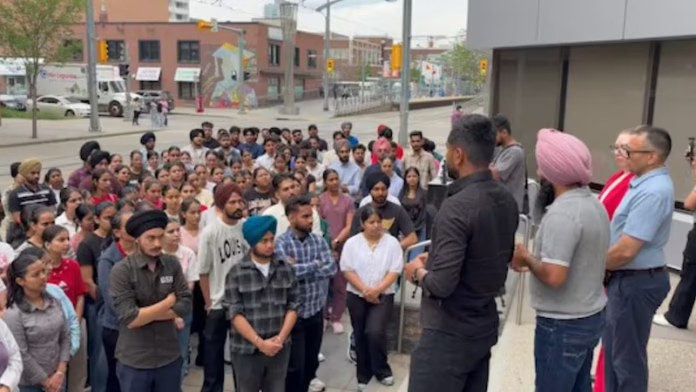
According to Brandspur Politics, the dispute has triggered protests by students in Calgary, with many arguing that they submitted their work permit applications before they believed changes affecting programme eligibility took effect. However, Immigration, Refugees and Citizenship Canada (IRCC) has maintained that no policy change occurred and noted that some graduates from the same institution were granted permits.
The situation has left many international graduates struggling financially after losing the opportunity to work legally in Canada upon completing their studies. Several students say they invested substantial family savings in tuition and living expenses with the expectation of gaining Canadian work experience through the PGWP programme.
Immigration lawyers representing affected students have reported a surge in requests for legal assistance, with one Calgary-based law firm handling hundreds of cases linked to the permit refusals as graduates seek clarification and possible remedies.
Canada’s Post-Graduation Work Permit programme allows eligible international students who complete approved programmes at designated learning institutions to work in the country after graduation. The work experience gained under the permit is often considered an important pathway towards permanent residency, making eligibility a key factor for many international students choosing where to study.
The controversy has also sparked widespread debate on social media, where some users questioned the role of the educational institutions involved, while others argued that graduates should not automatically expect a work permit or permanent residency after completing short diploma programmes.
Critics have also raised concerns about whether students were adequately informed about programme eligibility before enrolling, with some alleging that institutions promoted courses that ultimately failed to meet work permit requirements. The colleges involved have not publicly commented on the allegations.
The dispute comes as Canada continues to tighten oversight of its international education sector, with immigration authorities placing greater emphasis on programme quality, institutional compliance and eligibility standards for post-study work opportunities.
For thousands of affected students, the outcome of ongoing appeals and legal reviews could determine whether they are able to remain in Canada to gain work experience or are forced to leave after investing heavily in their education.
