




Public affairs teams have been warned against relying on artificial intelligence-generated public opinion as a substitute for evidence gathered from real people, amid growing pressure on organisations to make faster decisions with limited research budgets.
Michael Turner, a public opinion researcher and co-founder of PollStream, said the growing popularity of synthetic data could undermine the credibility of research if organisations prioritise speed and convenience over transparency and reliable evidence.
In an article published by Quirk’s Media on September 30, 2026, Turner argued that businesses, policymakers and public affairs professionals need more frequent access to credible public sentiment data, rather than depending on assumptions and professional judgement when research becomes too expensive.
He noted that organisations increasingly face rapidly changing public attitudes, emerging regulatory challenges and heightened expectations from governments, boards and chief executives to demonstrate an understanding of public opinion. However, research budgets have failed to keep pace with these demands, leaving some teams to reserve formal studies for major crises or high-stakes decisions.
According to Turner, this approach creates risks because changes in community attitudes and public acceptance of business activities may go unnoticed until they develop into serious problems. By the time an organisation recognises the need for research, opportunities to respond effectively may already have diminished.
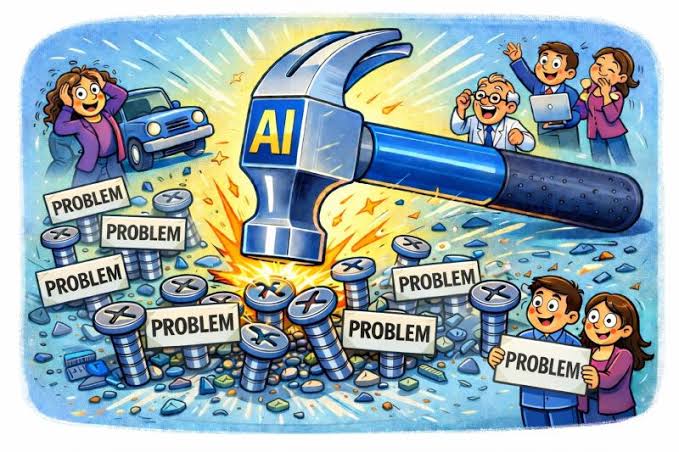
The researcher also raised concerns about companies offering synthetic audiences and AI-generated public opinion as a faster alternative to traditional research involving human respondents.
He questioned the reliability of such solutions, particularly where their methodologies are unclear, their findings cannot be independently scrutinised and organisations may struggle to defend the results when challenged.
Turner, however, acknowledged that artificial intelligence has a useful role in the research industry. He said the technology could accelerate data analysis, strengthen quality control and reduce administrative workloads, allowing researchers to work more efficiently.
His concern is that these benefits should not come at the expense of transparent methodologies and responses from real people, particularly when research findings are used to guide public policy, regulatory decisions or corporate communications.
To illustrate his argument, Turner compared the current enthusiasm for synthetic research data with the early excitement surrounding the Segway, the two-wheeled personal transporter that attracted significant attention but ultimately found more limited applications than initially anticipated.
He suggested that synthetic data could face a similar challenge if its commercial promises exceed the practical value it delivers to most research buyers.
Rather than abandoning established research methods, Turner urged the industry to improve them by combining verified public opinion data with faster research processes. He argued that continuous access to feedback from actual respondents would help organisations maintain an up-to-date understanding of public sentiment without commissioning a major study for every emerging issue.
Such an approach could also free specialist research agencies and consultancies to devote more time to interpreting findings, applying professional judgement and advising clients on complex decisions.
Turner’s position highlights a central challenge for the research industry as businesses and governments seek quicker answers: making information available more frequently without compromising the evidence needed to support consequential decisions.
