


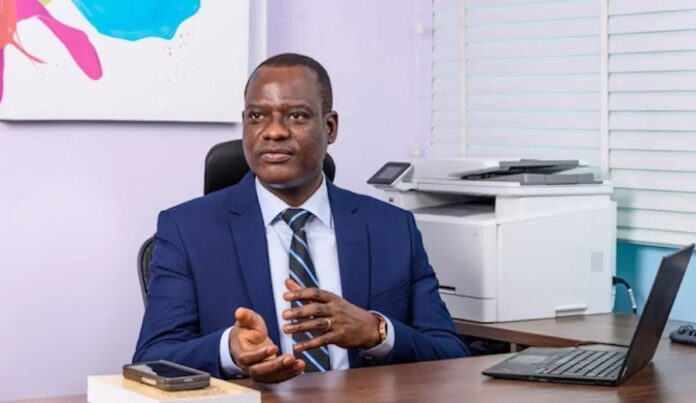
The Federal Government has linked the introduction of a proposed fuel tax to improvements in Nigeria’s economic conditions and household incomes, with Finance Minister Taiwo Oyedele saying the levy will take effect only when Nigerians can accommodate the additional cost.
Oyedele said the government was not planning to introduce the tax immediately, citing concerns about the financial pressure it could place on Nigerians following the removal of the petrol subsidy.
Speaking in an interview with Arise TV business correspondent Rotus Odiri on the sidelines of the 2026 International Monetary Fund and World Bank annual meetings in Bangkok, Thailand, the minister explained that the timing of the levy would depend on economic stability and improved income levels.
According to him, the government wants income growth to outpace rising prices rather than rely on measures that suppress prices without addressing the underlying economic challenges.
“The objective should be that instead of trying to suppress prices, which hasn’t worked for us, it hasn’t worked for any country in the world, not one. Instead of trying to suppress prices, think about how to grow income faster than prices rise,” he said.
Oyedele added that the proposed tax would have been ineffective while petrol was subsidised because the government would essentially have been paying the levy itself. Introducing it immediately after subsidy removal, he said, would also have increased the burden on consumers.
How the Proposed Fuel Tax Would Be Used
The minister said revenue generated from the tax would be directed towards road infrastructure and the development of a fuel reserve designed to help moderate prices during future supply or price shocks.
He explained that the reserve could also give the government room to temporarily suspend the tax when international developments cause sharp increases in fuel prices.
Oyedele noted that the levy could not legally take effect without an order published in the official gazette by the finance minister, insisting that the process would be made public.
He also discussed the government’s handling of petrol subsidy removal and foreign exchange reforms, explaining that authorities initially removed the petrol subsidy before allowing the naira to adjust gradually.
According to him, the government had to manage the exchange rate adjustment to limit its impact on Nigerians, with some subsidy support remaining in 2023 before the petrol subsidy was completely removed in October that year.
