



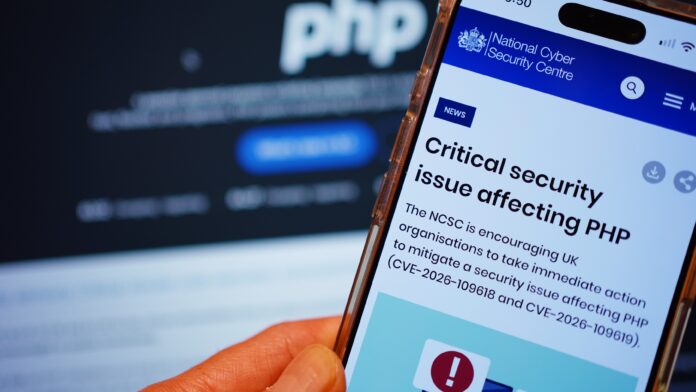
A critical vulnerability affecting PHP, the programming language used by roughly 70 per cent of websites worldwide, has raised cybersecurity concerns after technical details emerged online and reports of attempted exploitation surfaced.
The flaw, dubbed PHP2Shell, could allow attackers to execute malicious code on vulnerable servers, potentially exposing sensitive information and giving them control over affected systems. However, claims circulating in a viral video that artificial intelligence agents breached major banks and triggered massive stock market losses have not been established by the available evidence.
According to Brandspur Brand News, the incident highlights the risks of widely used internet infrastructure vulnerabilities becoming public before organisations can fully secure their systems.
In a video shared by The Maverick Approach, a commentator claimed that Asian stock markets lost nearly $1 trillion, followed by a further $790bn loss in American markets. The presenter linked the alleged financial turmoil to AI agents exploiting PHP2Shell and suggested that major financial institutions had been targeted.
Read also: https://brandspurng.com/2026/10/10/global-cyber-attacks-jump-48-year-on-year-in-september/
However, the supplied video transcription does not identify the market indices, trading sessions or financial data supporting those figures. It also provides no independent evidence that Morgan Stanley, JPMorgan Chase, Bank of America or Citigroup suffered unauthorised access to customer accounts.
The cybersecurity issue itself is serious. Researchers at Wiz disclosed two critical vulnerabilities in PHP on October 21, warning that successful exploitation could expose data or enable remote code execution on affected systems.
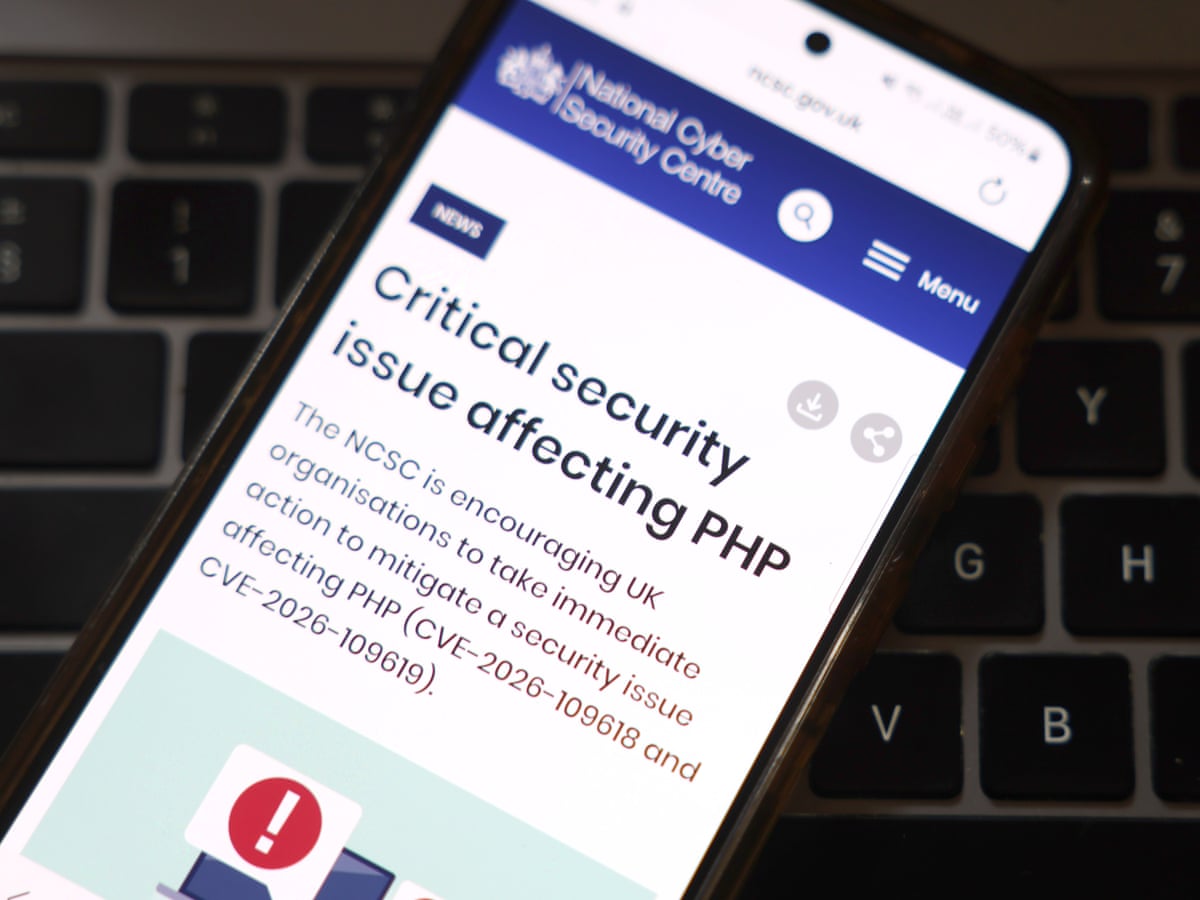
PHP supports widely used platforms and content management systems, including WordPress, making the security of its underlying infrastructure important to businesses, website operators and online service providers.
Reports have indicated that attackers attempted to exploit the vulnerabilities before the official patches were released. Security teams have therefore been urged to identify affected systems and install the relevant updates.
The distinction between attempted exploitation and a confirmed breach remains important. The information available does not establish that AI agents successfully compromised the named banks or that the vulnerabilities caused the claimed market losses.
The video also questions the involvement of OpenAI and Google in identifying security weaknesses while drawing attention to the potential misuse of AI tools. However, discovering a vulnerability and exploiting it against a target are separate activities, and the supplied material does not establish that either company used AI agents to attack banks.
Separately, US President Donald Trump has discussed the possibility of the government taking ownership stakes in leading artificial intelligence companies, including OpenAI and Anthropic. That policy discussion is distinct from the PHP security incident, and the video transcription provides no evidence connecting the two developments.
For businesses operating online, the immediate concern is whether their systems remain exposed to the PHP vulnerabilities. The wider episode also illustrates how unverified claims about cyberattacks and financial losses can spread alongside genuine security warnings, making independent verification essential.
