




Nigeria To Deploy 400 Healthcare Workers, Teachers To Jamaica From January 2027
Nigeria is preparing to deploy 400 skilled professionals, including nurses, doctors, physiotherapists and teachers, to Jamaica from January 2027 under a bilateral agreement designed to create structured overseas employment opportunities for Nigerian workers.
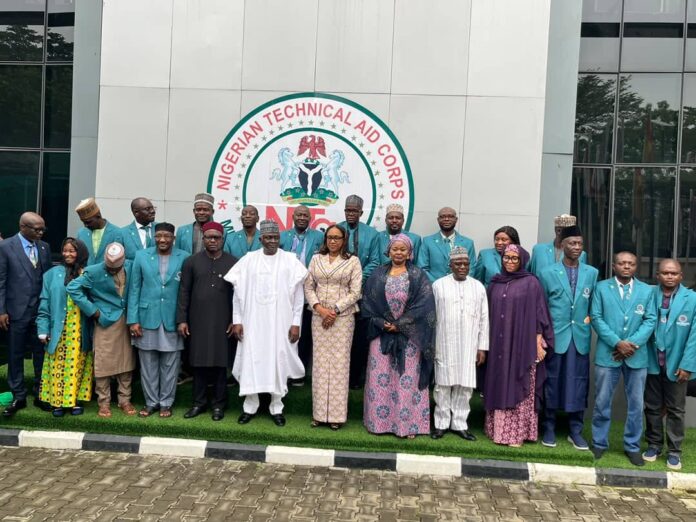
The deployment will be implemented through the Nigerian Technical Aid Corps (NTAC) under a new framework that allows participating countries to engage Nigerian professionals for paid services rather than relying on traditional volunteer arrangements.
The agreement is also expected to provide Nigeria with an alternative source of foreign earnings while creating regulated employment pathways for skilled workers seeking opportunities abroad, Brandspur Politics reports.
The arrangement is backed by a Technical Assistance Agreement signed on September 25, 2026, at the United Nations Headquarters in New York during the 81st Session of the United Nations General Assembly.
Nigeria’s Minister of Foreign Affairs, Ambassador Bianca Odumegwu-Ojukwu, signed the agreement alongside Jamaica’s Foreign Affairs Minister, Senator Kamina Johnson Smith.
The recruitment will primarily address shortages in Jamaica’s healthcare sector, with nurses, doctors and physiotherapists expected to form a significant part of the Nigerian contingent. Teachers and local fabric artisans are also included in the categories of professionals covered by the initiative.
The programme operates under what has been described as the Labour Dignity Initiative, a shift towards organised skilled-labour deployment in which beneficiary countries pay for the services of Nigerian professionals.
Unlike conventional volunteer programmes, the arrangement is intended to establish legally regulated and remunerated overseas employment opportunities, providing workers with a more structured framework for taking up international assignments.
For Nigerian professionals, the initiative could open another route to international employment without having to depend entirely on individual migration arrangements. It also offers Jamaica access to skilled personnel in sectors where additional workers are needed.
The Nigerian government is positioning the programme as part of a broader strategy to turn the country’s human capital into an economic asset through organised labour exports.
It is also expected to address some of the risks associated with irregular migration, popularly known in Nigeria as ‘japa’, by creating formal channels through which qualified citizens can secure overseas employment.
The planned deployment marks a new phase in Nigeria-Jamaica cooperation, extending diplomatic relations into workforce development and the exchange of professional expertise.
