



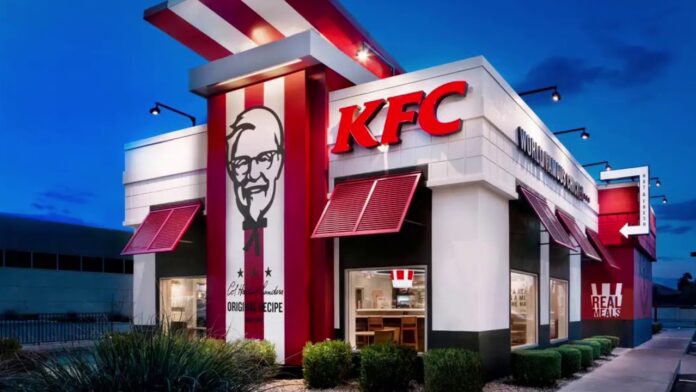
A major KFC franchise operator in the United States has filed for bankruptcy protection after rising operating costs, declining sales and mounting financial obligations left its restaurant business struggling to remain afloat.
Tasty Chick’n LLC, which operates 75 Kentucky Fried Chicken (KFC) restaurants and nine outlets co-branded with Taco Bell across 10 US states, sought Chapter 11 bankruptcy protection on Monday, November 16, 2026.
The company is seeking protection from creditors while attempting to restructure its finances and prevent Yum! Brands, the parent company of KFC, from immediately terminating its franchise agreement.
According to Brandspur Brand News, the franchisee has accumulated approximately $16 million in unpaid royalties owed to Yum! Brands, adding to the financial pressure on its restaurant operations.
The bankruptcy filing comes after the company reportedly closed several restaurants and warned that additional outlets could shut down as its financial difficulties deepen.
Its operations span 10 states, including Florida, Tennessee and Virginia, giving the bankruptcy proceedings implications for a sizeable restaurant network and the workers and communities connected to its outlets.
Chapter 11 protection allows eligible businesses in the United States to continue operating while reorganising their debts and developing a repayment strategy under court supervision.
For Tasty Chick’n, the immediate priority is to obtain breathing room from creditors and preserve its relationship with the franchisor while addressing the financial problems threatening its business.
The company’s difficulties reflect the pressures facing restaurant operators dealing with higher operating expenses and weakening consumer demand.
Restaurants must contend with recurring costs associated with staffing, food supplies, rent, utilities, maintenance and other expenses. When sales decline at the same time, operators can find it increasingly difficult to meet financial commitments, particularly royalty obligations tied to franchise agreements.
For franchise businesses, the relationship with a parent brand is particularly important. Operators depend on established trademarks, menus, supply arrangements and business systems, while remaining responsible for the day-to-day costs of running individual locations.
Tasty Chick’n’s outstanding royalty obligations have therefore become a central issue in its financial dispute with Yum! Brands.
The potential termination of its franchise agreement represents another challenge because its ability to continue operating KFC-branded restaurants depends on maintaining the necessary relationship with the brand owner.
The situation also highlights the distinction between the financial performance of a global restaurant brand and that of the individual businesses operating its outlets.
Although KFC is part of Yum! Brands’ international restaurant portfolio, individual franchisees operate under separate business arrangements and can face financial difficulties even when the wider brand maintains an established market presence.
For customers, the closures could mean reduced access to familiar restaurant locations, while employees at affected outlets face uncertainty over the future of their jobs.
The filing does not establish that all 75 KFC restaurants or the nine co-branded outlets will close. Rather, the company is seeking bankruptcy protection as it attempts to address its financial obligations and avoid further disruption.
Read Also: KFC’s Coca-Cola Switch Leaves African Partnership With PepsiCo Intact
The case adds to the challenges confronting parts of the American restaurant industry, where operators must balance consumer spending patterns against the rising cost of maintaining physical locations.
For Yum! Brands, the proceedings place a major franchise relationship under financial strain, with approximately $16 million in unpaid royalties at stake.
The outcome of the restructuring process will determine whether Tasty Chick’n can stabilise its operations, retain its franchise agreement and keep more of its restaurants open.