




Nigeria’s headline inflation rate eased to 15.43 per cent in July 2026, but the drop offers little relief to households as food inflation climbed above 20 per cent during the month.
The National Bureau of Statistics, NBS, disclosed this in its latest Consumer Price Index report released on Monday. Headline inflation fell from 15.91 per cent in June to 15.43 per cent in July.
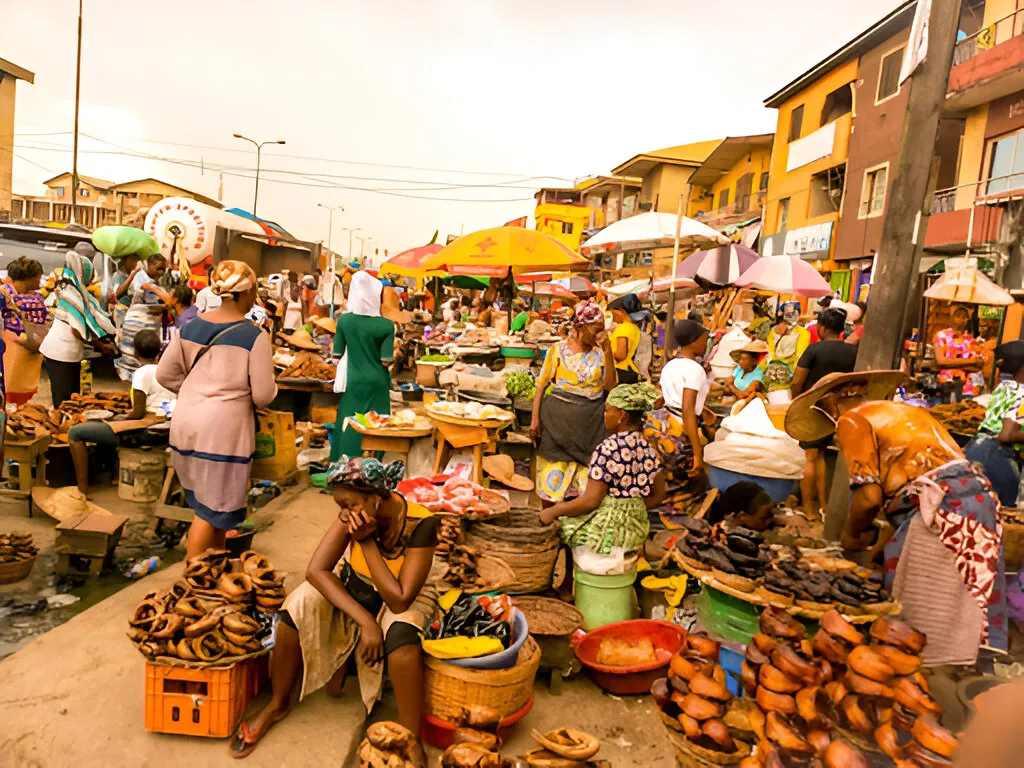
For millions of Nigerians, however, the figures are likely to feel very different at the market. The cost of food, which takes up a significant part of household spending, is still moving in the opposite direction.
Brandspur Banking News Desk reports that food inflation rose to 20.31 per cent year on year in July, compared with 17.52 per cent in July 2025. On a month on month basis, food inflation also accelerated to 5.56 per cent, from 3.75 per cent in June.
In practical terms, that means a family that has been spending more to fill its shopping basket may have to spend even more this month, or simply take fewer items home.
For some households, the adjustment is already familiar. A shopper may buy less meat, reduce the quantity of rice or beans, replace a preferred food item with a cheaper alternative, or leave the market without everything that was on the original list.
The latest figures show that food inflation has climbed steadily throughout the year. It stood at 8.89 per cent in January, rose to 12.12 per cent in February and reached 14.31 per cent in March.
The increase continued in April, when food inflation rose to 16.06 per cent. It climbed further to 16.96 per cent in May and 17.52 per cent in June before reaching 20.31 per cent in July.
The national figure, however, does not tell the same story everywhere.
Adamawa recorded headline inflation of 33.03 per cent in July, more than twice the national rate. The state’s food inflation was even more striking, at 51.36 per cent year on year.
Katsina recorded food inflation of 30.84 per cent, while Zamfara stood at 30.65 per cent.
But the experience was markedly different in some other states. Borno recorded negative 0.31 per cent food inflation, while Nasarawa recorded 6.88 per cent.
The NBS has cautioned that state-level inflation figures should be interpreted carefully because consumption patterns vary between states and locations. Still, the differences show why the national inflation rate may not always reflect what an individual family is experiencing.
For a household in a state where food inflation is above 30 per cent, a national rate of 15.43 per cent may feel disconnected from everyday reality.
Transportation costs are also putting pressure on food prices. Food produced in rural communities still has to reach markets, and higher fuel and transport costs can eventually be reflected in what consumers pay.
The wider energy market has added to the pressure, with developments in the Middle East contributing to higher global crude oil prices.
Chairman of the Agro Trade Group of the Nigerian Association of Chambers of Commerce, Industry, Mines and Agriculture, Arc. Kabir Ibrahim, warned that Nigerians could face greater pressure in the months ahead.
Ibrahim said the government’s earlier reliance on large-scale food imports also affected local farmers. According to him, imported food pushed market prices down while farmers were facing rising production costs, leaving some with little incentive to continue farming.
He also pointed to insecurity as another obstacle to food production. Farmers who fear being killed or kidnapped may be unwilling to travel to their farms, making it harder to maintain production even when demand for food remains high.
That leaves Nigeria facing an uncomfortable contradiction. Food may be available in markets, but for many households, the real problem is whether they can still afford enough of it.
So, while the fall in headline inflation to 15.43 per cent may provide a positive signal about the wider economy, the 20.31 per cent food inflation rate tells a more painful story for families already struggling to keep up with the cost of feeding themselves.
