




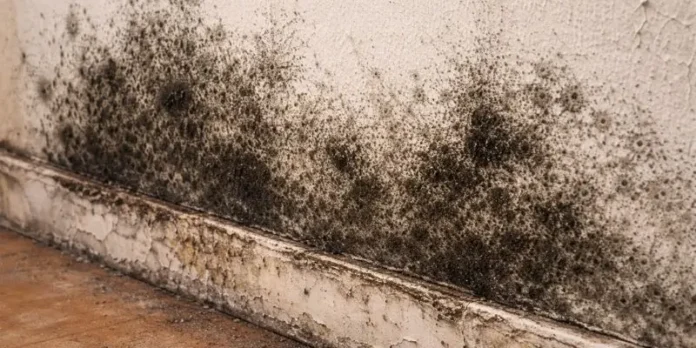
Mould growing on damp walls, ceilings, window frames and clothing can pose a health concern in homes, particularly when moisture is allowed to persist and mould spores spread through indoor air.
The issue has drawn attention in an awareness video titled What Is Mould And Why Should You Care?, which highlights common household conditions that encourage mould growth and the potential respiratory problems associated with exposure.
Brandspur Brand News reports that the video illustrates how persistent dampness, condensation around windows and drying wet clothes indoors can contribute to mould developing in living spaces, particularly where ventilation is inadequate.
Mould is a type of fungus that grows in moist environments and can appear as black or green patches on walls, fabrics and other surfaces. Although its appearance may initially seem like a minor household problem, visible growth can indicate an underlying moisture issue that needs to be addressed.
Bathrooms, kitchens, window corners and ceilings affected by leaks are among the areas where moisture can accumulate. Laundry left to dry indoors can also release moisture into the surrounding air, potentially worsening damp conditions when rooms are poorly ventilated.
Beyond damaging household surfaces and belongings, mould can affect indoor air quality. Disturbed mould growth can release spores into the air, which people may inhale during everyday activities.
The video draws attention to symptoms including sneezing and coughing, while also highlighting concerns for people with asthma. Exposure to mould can trigger allergic reactions in susceptible individuals and worsen asthma symptoms, although the effects vary depending on a person’s sensitivity and the extent of exposure.
For families, the concern is particularly relevant in homes where dampness repeatedly returns despite cleaning. Removing visible patches without correcting the source of moisture may allow the problem to recur.
Addressing mould therefore requires more than wiping affected surfaces. Identifying and repairing leaks, reducing condensation, improving airflow and ensuring that wet clothes are dried in adequately ventilated spaces can help limit the conditions that support its growth.
Where mould covers a large area, keeps returning or results from persistent water damage, professional assessment may be necessary. People experiencing ongoing breathing difficulties or worsening asthma symptoms should seek appropriate medical advice.
The central message of the awareness video is that household mould should not be ignored. Prompt attention to damp walls, water-damaged ceilings and poorly ventilated rooms can help prevent further growth and support a healthier indoor environment.
