




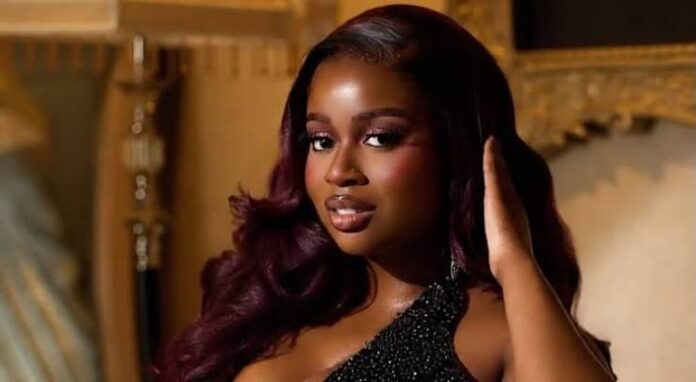
Temi Nkem, the 21 year old student who emerged winner of Big Brother Naija Season 11, has taken home a N160 million prize package, but the commercial impact of the 70 day reality show extends well beyond the champion.
Nkem, whose real name is Temitope Chigbue, secured 25.87 per cent of the final vote to finish ahead of Aikou, who polled 23.68 per cent, and Sheba, who recorded 9.80 per cent. Her victory made her the fifth female winner in the history of BBNaija.
The result capped a season that also provided a major platform for brands seeking to reach Nigerian consumers through entertainment, competition and social media conversation. Brandspur Brand News reports that 25 brands were associated with Season 11, led by headline sponsor betPawa, gold sponsor Guinness Nigeria and associate sponsor Minimie.
Other participating brands included Pepsi, Smirnoff Ice, Power Oil, Aquafina, AddMe, Colgate, Extract, Munch It, Chowdeck, Lush Hair and Arla Dano. Their involvement went beyond conventional advertising, with products and brand messages incorporated into tasks, challenges and the daily experiences of the housemates.
That model allowed sponsors to place their brands inside moments viewers were already emotionally invested in. Housemates competed for prizes, argued over results, celebrated victories and dealt with the pressure of high stakes challenges, while the sponsoring brands remained part of the action.
Among the major activations was the Week 3 betPawa Football Arena Challenge, where housemates competed in football quizzes and agility games across four teams. Nkem was part of the winning team, alongside Chimsom Chuka, Barry, Sheba, Bluethopia and Cassi.
The betting brand also introduced a N160 million Fan Weekly Jackpot, with N3 million awarded each week to five randomly selected betting fans during live eviction shows, extending the campaign beyond the house and into the viewing audience.
Guinness Nigeria used its own arena challenge to test speed, coordination and resilience, while Power Oil staged a competition involving elevator pitches, relay spelling, tug of war and power charades.
For Nkem, however, the road to the final was built largely around her personality and the reactions she generated inside and outside the house.
Her memorable moments included the custard episode, her involvement in the BB Bucks system and her much discussed relationship with fellow housemate Tram. A fake eviction involving Nkem, Tram and Ricky in Week 9 further intensified attention around the trio before they returned to the competition.
Also read: https://brandspurng.com/2026/09/09/betpawa-team-challenge-excites-bbnaija-housemates-fans/
By the final week, Nkem had survived a field that began with 24 housemates. Her unpredictability also earned her several playful house awards, including “What Just Happened”, “Unpredictable” and “Big Brother Please”.
Her N160 million prize package includes N90 million in direct cash, with N10 million allocated to the Most Influential Player of the Week prize pool, as well as a new SUV and other sponsored rewards.
For the brands involved, the value of the season lies in the scale of interaction created around the programme. Viewers did not simply watch the broadcast. They followed housemate moments, discussed controversies, shared clips and participated in conversations across digital platforms.
Atinuke Babatunde, Executive Head of Content and Channels, West Africa, MultiChoice Nigeria, said the season brought together 24 housemates whose personalities and individual approaches to the game kept viewers engaged, while acknowledging the contribution of audiences, sponsors and partners.
Guinness Nigeria Brand Manager Odinakachi Njoku described BBNaija as a platform that has moved beyond television into popular culture, particularly through its focus on talent, creativity and resilience.
BetPawa’s Head of Local Marketing and CSR, Borah Omary Ndanyungu, said the partnership was intended to support people pursuing ambitious goals and create opportunities that could have a lasting impact beyond brand visibility.
The season therefore demonstrated how reality television can serve two very different purposes at once. For contestants such as Nkem, it can provide a route to a life changing financial reward and a new public profile. For sponsors, it offers access to a large entertainment ecosystem where advertising can be woven into games, personalities and conversations rather than delivered only through traditional commercials.
Nkem may have won the season’s biggest individual prize, but the brands that successfully connected with viewers throughout the competition also emerged with something valuable, sustained attention in a crowded consumer market.
