WHO: Global Shortage Of Innovative Antibiotics Fuels Emergence And Spread Of Drug-Resistance

0

The world is still failing to develop desperately needed antibacterial treatments, despite growing awareness of the urgent threat of antibiotic resistance, according to a report by the World Health Organization. WHO reveals that none of the 43 antibiotics that are currently in clinical development sufficiently address the problem of drug resistance in the world’s most dangerous bacteria.

“The persistent failure to develop, manufacture, and distribute effective new antibiotics is further fueling the impact of antimicrobial resistance (AMR) and threatens our ability to successfully treat bacterial infections,” says Dr. Hanan Balkhy, WHO Assistant Director-General on AMR.

Almost all the new antibiotics that have been brought to market in recent decades are variations of antibiotic drug classes that had been discovered by the 1980s.

The impact of AMR is most severe in resource-constrained settings and among vulnerable groups such as newborns and young children. Bacterial pneumonia and bloodstream infections are among the major causes of childhood mortality under the age of 5. Approximately 30% of neonates with sepsis die due to bacterial infections resistant to multiple first-line antibiotics.

Report Findings

WHO’s annual Antibacterial Pipeline Report, reviews antibiotics that are in the clinical stages of testing as well as those in early product development. The aim is to assess progress and identify gaps in relation to urgent threats of drug resistance, and to encourage action to fill those gaps.

The report evaluates the potential of the candidates to address the most threatening drug-resistant bacteria outlined in the WHO Bacterial Priority Pathogens List (WHO PPL). This list, which includes 13 priority drug-resistant bacteria, has informed and guided priority areas for research and development since its first publication in 2017.

The 2020 report reveals a near static pipeline with only few antibiotics being approved by regulatory agencies in recent years. Most of these agents in development offer limited clinical benefit over existing treatments, with 82% of the recently approved antibiotics being derivatives of existing antibiotic classes with well-established drug resistance. Therefore, the rapid emergence of drug resistance to these new agents is expected.

The review concludes that “overall, the clinical pipeline and recently approved antibiotics are insufficient to tackle the challenge of increasing emergence and spread of antimicrobial resistance”.

Novel Solutions Outside The Traditional Development Pathway

The lack of progress on antibiotic development highlights the need to explore innovative approaches to treat bacterial infections. 2020 WHO pipeline report for the first time includes a comprehensive overview of non-traditional antibacterial medicines. It highlights 27 non-traditional antibacterial agents in the pipeline ranging from antibodies to bacteriophages and therapies that support the patient’s immune response and weaken the effect of the bacteria.

High Failure Rates And Impact on Market Dynamics

The report notes that there are some promising products in different stages of development. However, only a fraction of these will ever make it to the market due to the economic and inherent scientific challenges in the drug development process. This, along with the small return on investment from successful antibiotic products, has limited the interest of major private investors and most large pharmaceutical companies.

The report confirms that the preclinical and clinical pipeline continue to be driven by small- and medium-sized companies. These enterprises often struggle to finance their products to the late stages of clinical development or until regulatory approval is obtained.

The COVID-19 Opportunity

The COVID-19 crisis has deepened the global understanding of the health and economic implications of an uncontrolled pandemic. It also accentuated the gaps in sustainable funding to address these risks, including investments in R&D of antimicrobial medicines and vaccines, whilst revealing what rapid progress can be made when there is enough political will and enterprise.

“Opportunities emerging from the COVID-19 pandemic must be seized to bring to the forefront the needs for sustainable investments in R&D of new and effective antibiotics,” said Haileyesus Getahun, Director of AMR Global Coordination at WHO. “Antibiotics present the Achilles heel for universal health coverage and our global health security. We need a global sustained effort including mechanisms for pooled funding and new and additional investments to meet the magnitude of the AMR threat.”

Global Initiatives

To address gaps in funding and drive sustainable investments in antibiotics development, WHO and its partner Drugs for Neglected Diseases initiative (DNDi) have set up the Global Antibiotic R&D Partnership (GARDP) to develop some of the innovative treatments that are included in the report. In addition, the WHO has been working closely with other non-profit funding partners such as the CARB-X to “push” and accelerate antibacterial research.

Another important new initiative is the AMR Action Fund, a partnership that was set up by a coalition of pharmaceutical companies, philanthropies, the European Investment Bank, with the support of the WHO, that aims to strengthen and accelerate antibiotic development through global pooled funding. The Fund is expected to play an important role in ensuring that the most innovative and promising products receive the required funding.

Heading Back To Normal, Economic Activities To Resume

The United States unemployment levels recorded another improvement in March 2021. According to the United States Bureau of Labor Statistics, the unemployment rate declined to 6.00% in March 2021 from 6.20% in February 2021. Although the unemployment figure for March 2021 was considerably below the pandemic levels, the figure was 160 basis points higher than the 4.40% unemployment rate in March 2020.

The job gains in March 2021 were majorly recorded in leisure and hospitality, public and private education, and construction. During the month, the United States government approved a US$1.90trn coronavirus relief package.

The plan will send direct transfers of up to US$1,400 to Americans, aimed at mitigating the pain caused by the COVID-induced decline in the economy.

Vaccine Development in the United States

According to the Centers for Disease Control and Prevention (CDC), about 100mn+ have received at least one dose of a COVID-19 vaccine. The vaccine providers are administering 3.21mn doses per day on average. At that rate, it could take another three months to cover 75% of the population. The United States leads the world in total vaccines administered.

Despite the progress achieved with vaccination, there were reports of new COVID variants which have driven a surge in cases across the country.

Meanwhile, the US 10-year Treasury Yield has been on an upward trend over the past two months, on the back of increasing investors’ confidence amid the accelerating vaccine rollout and stimulus plan, although there are speculations about the possibility of an overheated economy and overvalued asset prices.

Heading Back To Normal, Economic Activities To Resume-Brand Spur Nigeria

The US 10-year yields have risen to 1.60% as of March 2021 from 0.52% lows in July 2020. At 1.60% in March 2021, the US 10-year Treasury yield reverted to its prepandemic levels.

Domestic Economy

The Monetary Policy Committee (MPC), in their meeting held on March 22 – 23, 2021, kept policy rates and other parameters constant. The Monetary Policy Rate (MPR) remained at 11.50%. The Liquidity Ratio and Cash Reserve Ratio (CRR) were left at 30% and 27.50%, respectively. The Committee cited the need to focus on consolidating the fragile economic recovery process, despite the rising inflationary pressures.

The Committee also argued that the inflation drivers were supply-side driven. Thus, higher interest rates might not tackle the inflationary problem. The National Bureau of Statistics (NBS), in March 2021, reported an increase in headline inflation for February 2021.

READ ALSO: March 2021 Inflation Rate Rises to 18.17% as Food Inflation Jumps to 22.95%

Headline inflation rose to 17.33% in February 2021 from 16.47% in January 2021. The rise in inflation is attributed to security challenges in major food-producing states. Also, the lingering impact of FX scarcity contributed to the increase in inflation in February 2021.

Equities Market

The NSE All-Share Index declined by 39,799 index points in February 2021 to 39,045 index points in March 2021, representing a 2% decline. Quarter-on-quarter, the NSE ASI declined by 3% from 40,270 index points in Q4 2020.

As noted in our previous note, the rising yields in the fixed income market were the catalyst to the declining prices in the equities market.

Fixed Income Market

Meanwhile, in the fixed income market, yields across all tenors rose in March 2021, attributed to the investors’ demand for a higher risk premium due to the rising inflationary pressure. Yields on one-year financial instruments rose from an average of 1% as of December 2020 to 4% in March 2021.

Outlook

We expect to see relatively faster growth in the economy, as we move into Q2 2021. Our faster growth expectations stem from a continued vaccination and a near-full resumption of economic activities across the economy. However, we note that constraints to growth persist, some of which include weak government revenue and foreign inflows to stabilise the exchange rate market. Owing to the unabated security challenges in the economy, we expect headline inflation to remain high in the near term.

We initially expected to see the impact of higher energy prices on price levels in the economy, however, the national authorities appear to have made a U-turn on the fuel subsidy removal. Hence, we might not see the expected pressures from higher energy prices, at least in the near term. Nonetheless, the pass-through effect of the exchange rate pressures could drive prices up. In the fixed income market, we believe that the demand for a higher risk premium by investors will continue to drive yields upwards, amid rising inflation and higher-than-expected government borrowings.

At the most recent Treasury Bills Primary Market Auction (PMA), the stop-rate of the 364-day bill stood at 8.00% in March 2021 (Just three months ago, the stop-rate of the 364-day bill was 1.50%). We expect that to see an upward movement towards 10% – 11% in the near to medium term. Accordingly, the activities in the equities are expected to be depressed, owing to higher opportunity costs in the fixed income market.

However, we posit that the direction of the economy could guide what to expect in the equities market. In our view, a major policy shift would be required again to drive the market.

A policy breakthrough with the foreign exchange market or in the fiscal space (e.g., effective implementation of the budget or concrete policies aimed to boost investments and employment) could be the catalysts to drive growth in the equities market in the medium term.

We note that the volatility in the market tends to rise at this time, and it could be an opportunity to position in names that might be mispriced.

READ ALSO: Rolls-Royce Sets Highest Record In 2021 First Quarter

We expect to see sustained pressures in the foreign exchange market. We note the rising crude oil prices, but the compliance to OPEC’s output quota could cap the extent of dollar inflows. In 2020, the foreign portfolio declined by 69% YoY from US$16.37bn to US$5.14bn.

The total capital imported into the Nigerian economy dipped by 60% from US$23.99bn in 2019 to US$9.68bn in 2020, attributed to the combination of the coronavirus pandemic, capital controls, and poor FX policies.

Nonetheless the flattening COVID curve, we yet do not expect to see a rebound in foreign inflows in the near term. The basis for our pessimism stem from the uncertain FX policies and low investors’ confidence in the Nigerian economy

Jollof Rice Index: Cost of Preparing Jollof Rice in Nigeria Rises by 7.8% in Q1 2021 – SBM

The average cost of making a pot of jollof rice in Nigeria rose by 7.8% between March 2020 and March 2021. This is contained in the SBM Jollof Rice index report for Q1 2021, published by SB Morgen.

According to the report, the increase was caused by the prolonged border closure, increased energy tariffs, exchange rate volatility, coronavirus pandemic, and the restrictions of forex for the importation of items, largely due to falling oil prices.

It also identified the effect of the #EndSARS protest against brutality and the response of the government, which brought the main economic states in Nigeria (Lagos and Abuja) to a standstill for major parts of the month of October 2020.

Nigeria-Jollof-rice

Highlights

  • Specifically, the average cost of making a pot of jollof rice in Nigeria increased from N7,167 recorded in Q4 2020 to N7400 in the first quarter of 2021. representing a 3.24% quarter-on-quarter increase.
  • The cost of making a pot of rice is most costly in Wuse and least costly at Awka. The report, however, suggests that the disparity could be a result of operational costs rather than the actual cost of commodities.
  • While it is possible for people in Awka to substitute buying some of the commodities with products from their subsistence agriculture, the same is not possible in Wuse, largely because of its very urban nature.
  • The high exchange rate of N410/$1 to N475/$1 in the parallel market also adversely affected the price of jollof rice in the country as tomato puree, rice, turkey, and seasoning are affected by the exchange rates.
  • Also, flooding destroyed several hectares of rice farms across the country. The report stated that up to 500,000 hectares of rice farms were destroyed in Kebbi State alone.
  • The price of turkey has increased as a result of increased electricity tariffs which has forced increases in cold room costs.

According to the SBM Jollof report,

Our interviews with traders shows that transportation costs have not reduced since they were increased during the introduction of the COVID-19 protocols. One of the traders stated that she pays almost twice her former transportation cost prior to COVID-19, and the prices have not gone down even after drivers began to carry more passengers than permitted by the social distancing protocol.”

Jollof costliest to cook in Wuse, Abuja

In Abuja, food production is mainly undertaken by its neighbouring states Benue, Kaduna, Kogi and Niger, all of which have seen several attacks in the past few years, showing a decline in that dimension.

  • The report revealed that the cost of making a pot of jollof rice is highest in Wuse, Abuja.
  • Although food distribution has not been affected and unemployment rates are over 40%, but being the administrative headquarters of the government and most international NGOs, outreaches and food distribution are common.

“In all the states surveyed, out of a score of 50, the combined score ranged from 18-27 which shows a general decline in entitlements across the states and similar levels of severity. While Bauchi has a higher chance at getting food insecure, the other states are slightly above the borderline, showing a medium decline in their entitlement (ability to get food).”

What you should know

According to the report, in all the markets surveyed, the cost of making a pot of jollof rice increased in Awka, Calabar Municipal Market, Mbakpa, Onitsha, Port Harcourt and Trade Fair, while Balogun, Bauchi, Bodija, Dugbe, Kano, Nyanya and Wuse experienced a slight decrease.

  • The South-South and South-East states experienced an increase in the cost of making Jollof rice, Northern states experienced a price reduction.
  • The price decrease was attributed to the harvest period which usually forces prices of some commodities like onions and tomatoes down.
  • It however suggested that this decrease may have failed to happen in the Southern part of the country because of the cost of transporting the goods down south and because of the price surge introduced by the food blockade.

How The Trump Plaza, Atlantic City, Came to be Demolished

0

It is not so often nowadays that a building is simply demolished, particularly not one of this scale. We have the environmental impact to think about, as well as the cost of clearing the debris, yet the implosion of the Trump Plaza Hotel and Casino in Atlantic City just a couple of weeks ago was greeted with open arms by cheering crowds. How is it that such a grand and prestigious building should come to such an undignified end?

How The Trump Plaza, Atlantic City, Came to be Demolished Brandspurng
Atlantic City became the focus of international news recently as Trump Plaza was demolished.

The building was designed by renowned architect Martin Stern Jr. known for many of the largest buildings in Las Vegas, as well as other record-breaking builds in other parts of the United States. The Trump Plaza Hotel and Casino was one of Stern Jr’s last designs, taking place in a heyday for wealthy American businessmen. The plaza was opened in 1984 and was originally magnificent, it contained more than 600 rooms, seven different restaurants, an enormous showroom, a health club, and, of course, an even larger casino. Though the build was originally partnered with Harrah’s, Trump would buy them out just a few short months after the opening for a staggering $70 million. He had decided to go it alone, but he might not have had he been able to see the future of this expensive building. 

The casino was greeted in its first few years with enthusiasm by patrons. Particularly thanks to its numerous high roller rooms, where people could play for increased wagers. These rooms were unusual at the time, particularly in such numbers, but Trump had made his mind up, that this casino would cater predominantly to the rich and famous. Many famous and infamous parties were held there, for rock stars and actors alike, but few of them were very profitable. In its first year, the Trump Plaza Hotel and Casino made a profit of $144,000. Whilst to many this may seem like a healthy profit, when you take into account the enormous cost of building this monolith and buying out the partners, estimated at $210 million, it would have to run for ten lifetimes before it got close to returning on the investment. Not wanting to back down yet, Trump did what came naturally to him, he doubled down. 

In a move that will not surprise any of the Anti Trump Party, the businessman had decided that it couldn’t possibly be his fault that the casino was failing, rather it must be the fault of his neighbours. Trump set about buying up all of the available surrounding buildings, including Penthouse Boardwalk Hotel and Casino, a former Holiday Inn tower, a couple of parking lots and the Atlantis Casino Hotel. Now that he owned a slice of the boardwalk he felt like his empire in Atlantic City could truly begin, but how wrong he was. 

The 1990s saw a sharp downturn for the already modest profits of the Trump Plaza Hotel & Casino. Some put this down to the presence of the new casino that Trump had built just a mile away drawing trade away from the casino. Some put it down to the very beginning of the online casino sector, whatever the reason, extending the casino was not the action that Trump should’ve taken, but he did it anyway. By the end of this decade, not only would the Trump Plaza have been subjected to multiple forms of restructuring and pre-packaged bankruptcy, its sister building, Trump’s World Fair would also fail. During this decade several casinos in South Africa failed too, supporters of Trump’s business acumen argue that this was a particularly difficult market at the time. Nowadays, our casino business is stronger than ever though, both in the US and in South Africa, where Casinos.co.za list numerous land-based casinos as being leaders in their field. Whether it’s a location difference, a customer difference, bad luck, or bad judgement, Trump Plaza’s story did not finish its descent here. 

The turn of the millennium sparked the end of Trump’s casino business. His four casinos in Atlantic City would all close, with the plaza holding on the longest until 2014 when it held the title of the worst-performing casino in the whole of Atlantic City, taking in as much money in almost a year, as The Borgata did every fortnight. By this point, Trump had already forgotten about the series of bankruptcies and was citing The Trump Plaza Hotel & Casino as an enduring example of his business acumen. 

Seven long years later, the building would finally be demolished. Beyond repair, without interest from any buyers and becoming a danger to those who walked too close to it, 3000 sticks of dynamite would send it tumbling to the ground. In an effort to reclaim some of the money it had lost, tickets were sold for $10 each to a crowd of cheering onlookers. It seemed a fitting end to a presidential campaign, which some of the opposition believe had been as successful as the casino itself.

Nigerians Paid More for Cooking Gas, Diesel, Kerosene and Petrol in March – NBS

0

The National Bureau of Statistics (NBS) said that the average price paid by consumers in Nigeria across major fuel types (Cooking Gas, Diesel, Kerosene and Petrol) increased month-on-month and year-on-year March 2021.

However, only the average price for the refilling of a 12.5kg cylinder for Liquefied Petroleum Gas (Cooking Gas) decreased by -0.10% month-on-month in March 2021.

Nigeria's Inflation sustains sprint, rises to 14.89% y/y in November 2020

The bureau announced this in its “National Price Watch for Cooking Gas, Diesel, Kerosene and Petrol’’ released on Thursday in Abuja.

LIQUEFIED PETROLEUM GAS (COOKING GAS) – 5KG CYLINDER

According to the report made available to Brand Spur Nigeria, the average price for the refilling of a 5kg cylinder for Liquefied Petroleum Gas (Cooking Gas) increased by 1.92% month-on-month and by 3.87% year-on-year to N2,057.71 in March 2021 from N2,018.91 in February 2021.

Average cost of 12.5kg cooking gas decreased to N4,126.82 in July - NBS
Photo by Anton Nazaretian on Unsplash

Also, states with the highest average price for the refilling of a 5kg cylinder for Liquefied Petroleum Gas (Cooking Gas) were:

  • Bauchi – N2,487.46
  • Borno – N2,397.56
  • Adamawa – N2,397.37

While states with the lowest average price for the refilling of a 5kg cylinder for Liquefied Petroleum Gas (Cooking Gas) were:

  • Jigawa – N1,717.00
  • Abuja – N1,800.98
  • Kaduna – N1,825.86

LIQUEFIED PETROLEUM GAS (COOKING GAS) – 12.5KG CYLINDER

Similarly, the average price for the refilling of a 12.5kg cylinder for Liquefied Petroleum Gas (Cooking Gas) decreased by -0.10% month-on-month and increased by 4.26% year-on-year to N4,359.23 in March 2021 from N4,363.51 in February 2021.

The report stated the states with the highest average price for the refilling of a 12.5kg cylinder for Liquefied Petroleum Gas (Cooking Gas) were:

  • Cross River – N4,762.65
  • Sokoto – N4,750.00
  • Edo – N4,728.57

States with the lowest average price for the refilling of a 12.5kg cylinder for Liquefied Petroleum Gas (Cooking Gas) were:

  • Zamfara – N3,749.06
  • Kaduna – N3,751.27
  • Katsina – N3,845.04

PREMIUM MOTOR SPIRIT (PETROL)

The average price paid by consumers for premium motor spirit (petrol) increased by 18.76% year-on-year and month-on-month by 3.87% to N172.68 in March 2021 from N166.24 in February 2021.

Here are the average Prices of Petrol, Diesel, Kerosene and Cooking Gas for October 2020

According to the report, states with the highest average price of premium motor spirit (petrol) were

  • Lagos – N200.87
  • Ebonyi – N184.17
  • Niger – N183.50

States with the lowest average price of premium motor spirit (petrol) were:

  • Adamawa – N162.91
  • Taraba – N162.67
  • Bauchi – N164.00

AUTOMOTIVE GAS OIL (DIESEL)

The average price per litre paid by consumers for National Household Kerosene increased by 1.50% month-on-month and by 8.12% year-on-year to N361.29 in March 2021 from N355.80 in February 2021.

diesel_fuel_brandspur

States with the highest average price of diesel were:

  • Taraba – N466.67
  • Ebonyi – N450.00
  • Benue – N448.15

States with the lowest average price of diesel were:

  • Bayelsa – N250.00
  • Yobe – N296.43
  • Katsina – N318.33

The average price for the refilling of a 5kg cylinder for Liquefied Petroleum Gas (Cooking Gas) increased by 1.92% month-on-month and by 3.87% year-on-year to N2,057.71 in March 2021 from N2,018.91 in February 2021.

NATIONAL HOUSEHOLD KEROSENE

Similarly, the average price for the refilling of a 12.5kg cylinder for Liquefied Petroleum Gas (Cooking Gas) decreased by -0.10% month-on-month and increased by 4.26% year-on-year to N4,359.23 in March 2021 from N4,363.51 in February 2021.

Nigerians paid more for Kerosene in November 2020 – NBS

States with the highest average price per gallon of kerosene were:

  • Cross River – N4,762.65
  • Sokoto – N4,750.00
  • Edo – N4,728.57

States with the lowest average price per gallon of kerosene were:

  • Zamfara – N3,749.06
  • Kaduna – N3,751.27
  • Katsina – N3,845.04

Flour Mills Remains Committed To The Growth And Development Imperatives Of The Nigeria Sugar Master Plan

Our attention has been drawn to recent publications regarding the Nigerian Sugar Industry. Flour Mills of Nigeria Plc (Flour Mills), will like to reaffirm its commitment to the growth and development aspirations of the Nigerian Sugar Master Plan and will uphold the best practices to support this vision.

For over 60 years FMN has demonstrated its commitment to the Nigerian people through strategic investments as demonstrated by our varied portfolio of companies and subsidiaries. One of the most important projects in our endeavour is the Sunti Golden Sugar Estate under the auspices of the Nigeria Sugar Master Plan (NSMP) which we have operated on since 2013.

Flour Mills of Nigeria PLC Finishes Strong With A Record 184% Growth In After-Tax Profit

FMN operates independently in this sector while adhering strictly to the tenets of the Sugar Master Plan. Our operations in this regard are driven by market forces and this approach ensures fairness and integrity in price setting for our sugar products.

Our pricing is driven by our aim to give our customers value, while we remain competitive and ensure return on investment for our stakeholders. To buttress this, we have not sought to raise prices during the Ramadan period despite the increased international cost in raw materials. This decision is guided by our organisation’s sensitivity to the needs of our consumers.

As a show of our continued support for the government’s economic growth initiatives, in January 2021, we provided important documentation to the Federal Government

regarding our observations around the clear disregard of the tenets of the Nigeria Sugar Master Plan. This was because we considered these malpractices to pose a threat to the overall economic progress of the country in this sector.

Whereas we are aware that these infractions on a critical national policy are an issue presently before the courts, we remain committed to running our operations within the tenets of the said master plan and ‘meeting all our obligations thereunder.

We want to once again state unequivocally that we operate a transparent and independent promoting policy, based on the cost of our raw materials, customer needs and dictates of the market.

Our customers and their satisfaction are our most valuable priority as we continue with our purpose of feeding the nation, every day.

President Macron Lauds Abdul Samad Rabiu as BUA Group And Axens Strengthen Deal on 200,000bpd Refinery Project

0

…Appoints Abdul Samad Rabiu as Chairman of the French Nigeria Investment Club.

The French President, Emmanuel Macron, has commended the Chairman of BUA Group, Abdul Samad Rabiu for his commitment to developing lasting relationships between French and Nigerian businesses.

President Macron Lauds Abdul Samad Rabiu as BUA Group And Axens Strengthen Deal on 200,000bpd Refinery Project Brandspurng 1

This came as the French Minister for Foreign Trade and Economic Attractiveness, Franck Riester, paid a visit to the BUA Group HQ in Lagos Nigeria where he handed over a personal invitation from President Macron to Abdul Samad Rabiu to attend the Choose France Summit in June in Paris representing business leaders from Nigeria and Africa.

The French minister also witnessed the signing of a progress acknowledgement of the statement between BUA Group and Axens of France for BUA’s proposed 200,000barrels per day refinery in Akwa Ibom.

During the visit, it was also announced that the Chairman of BUA Group had been appointed Chairman of the France Nigeria Investment Club.

March 2021 Inflation Rate Rises to 18.17% as Food Inflation Jumps to 22.95%

Headline Inflation Rate Increases by 18.17% YoY In March 2021, 0.82% Higher Than February 2021 Rate

The consumer price index, (CPI) which measures the inflation rate increased by 18.17 percent (year-on-year) in March 2021. This is 0.82 percent points higher than the rate recorded in February 2021 (17.33 percent).

On a month-on-month basis, the Headline index increased by 1.56 percent in March 2021. This is 0.02 percentage points higher than the rate recorded in February 2021 (1.54 percent).

The percentage change in the average composite CPI for the twelve months period ending March 2021, over the average of the CPI for the previous twelve months period was 14.55 percent, representing a 0.50 percent point increase over 14.05 percent recorded in February 2021.

The urban inflation rate increased by 18.76 percent (year-on-year) in March 2021 from 17.92 percent recorded in February 2021, while the rural inflation rate increased by 17.60 percent in March 2021 from 16.77 percent in February 2021.

On a month-on-month basis, the urban index rose by 1.60 percent in March 2021, up by 0.02 compared to the rate recorded in February 2021, while the rural index also rose by 1.52 percent in March 2021, up by 0.02 compared to the rate that was recorded in February 2021 (1.50 percent).

The corresponding twelve-month year-on-year average percentage change for the urban index is 15.15 percent in March 2021. This is higher than 14.66 percent reported in February 2021, while the corresponding rural inflation rate in March 2021 is 13.99 percent compared to 13.48 percent recorded in February 2021.

Food Index

The composite food index rose by 22.95 percent in March 2021 compared to 21.79 percent in February 2021.

This rise in the food index was caused by increases in prices of Bread and cereals, Potatoes, yam and other tubers, Meat, Vegetable, Fish, Oils and fats and fruits.

On a month-on-month basis, the food sub-index increased by 1.90 percent in March 2021, up by 0.01 percent points from 1.89 percent recorded in February 2021.

November Headline Inflation Rate Accelerates to 14.89% amid Sustained Rise in Food Index Brandspurng

The average annual rate of change of the Food sub-index for the twelve-month period ending March 2021 over the previous twelve-month average was 17.93  percent, 0.68  percent points from the average annual rate of change recorded in February 2021 (17.25) percent.

All Items Less Farm Produce

The “All items less farm produce” or Core inflation, which excludes the prices of volatile agricultural produce stood at 12.67 percent in March 2021, up by 0.29 percent when compared with 12.38 percent recorded in February 2021.

On a month-on-month basis, the core sub-index increased by 1.06 percent in March 2021. This was down by 0.15 percent when compared with 1.21 percent recorded in February 2021.

The highest increases were recorded in prices of Passenger transport by air, Medical services, Miscellaneous services relating to the dwelling, Passenger transport by road, Hospital services, Passenger transport by road, Pharmaceutical products, Paramedical services, Vehicle spare parts, Dental services, Motor cars, Maintenance and repair of personal transport equipment, and Hairdressing salons and personal grooming establishment,

The average 12-month annual rate of change of the index was 10.01 percent for the twelve-month period ending March 2021; this is 0.76 percent points lower than the 10.77 percent recorded in February 2021.

State Profiles – All Items Inflation

In March 2021, all items inflation on year on year basis was highest in Kogi (24.51%), Bauchi (22.24%) and Sokoto (20.70%), while Imo (16.08%), Kwara (15.34%) and Cross River (14.45%) recorded the slowest rise in headline Year on Year inflation.

On month on month basis, however, March 2021 all items inflation was highest in Rivers (2.62%), Gombe (2.14%) and Niger (2.12%), while Zamfara (0.60%), Yobe (0.26%) and Kebbi (0.45%) recorded the slowest rise in headline month on month.

In analysing price movements under this section, note that the CPI is weighted by consumption expenditure patterns which differ across states. Accordingly, the weight assigned to a particular food or non-food item may differ from state to state making interstate comparisons of consumption basket inadvisable and potentially misleading.

Food Inflation

In March 2021, food inflation on a year on year basis was highest in Kogi (29.71%), Sokoto (27.02%) and Ebonyi (26.59%), while Abuja (20.10%), Kebbi (19.98%) and Bauchi (18.61%) recorded the slowest rise .in year on year inflation.

On month on month basis, however, March 2021 food inflation was highest in Rivers (3.52%), Niger (2.92%) and Gombe (2.85%), while Zamfara (0.51%) recording the slowest rise in a month on month food inflation with Yobe and Kebbi recording price deflation or negative inflation (general decrease in the general price level of food or a negative food inflation rate).

Afrobeats To The World: Removing Obstacles To It’s Adoption

Music is said to transcend beyond boundaries and make a home where it finds it necessary to. Music has been said to help reduce stress and pain while offering comfort and relief in exchange.

For many, music makes them happy and music with danceable gives them that joy and release of tension they are in need of. Music is played for different occasions like a celebration, workout sessions, getting into a mood, and so on. Due to its ability to serve different purposes, the impact of music has become a fabric in our daily lives.

Afrobeats To The World: Removing Obstacles To It's Adoption
Tiwa Savage Photo Source: @TiwaSavage

The power of music and the impact of technology has allowed cultures and dance styles to push through borders and allow the adoption of foreign cultural elements in our daily lives.

There was a time when foreign music was being imported to Nigeria and Africa at large while exporting African music faced a lot of barriers and obstacles standing in the way of exporting
African culture and story through music. The African art of expression that pierces through the soul with danceable steps accompanying it struggled to be recognized internationally like it should.

The impact of technology and digital platforms, however, accelerated the growth of the African genres of music worldwide with our music being used or played in movies, series films, clubs, restaurants,s and different sorts of social gatherings.

One of the genres of African music gaining widespread fire is the Afrobeat which has been gaining popularity in Europe and America. Both Africans in the Diaspora and indigenes of these continents seem to be enjoying their exposure to Afrobeats and other African genres of music. Many international acts are now interested in collaborating with Africans especially Nigerian music acts to bring their songs to life.

Afrobeats To The World: Removing Obstacles To It's Adoption
Photo Source: Rema @heisrema

Nigerian Music acts are now breaking down international barriers and obstacles with the ambition of becoming international acts.
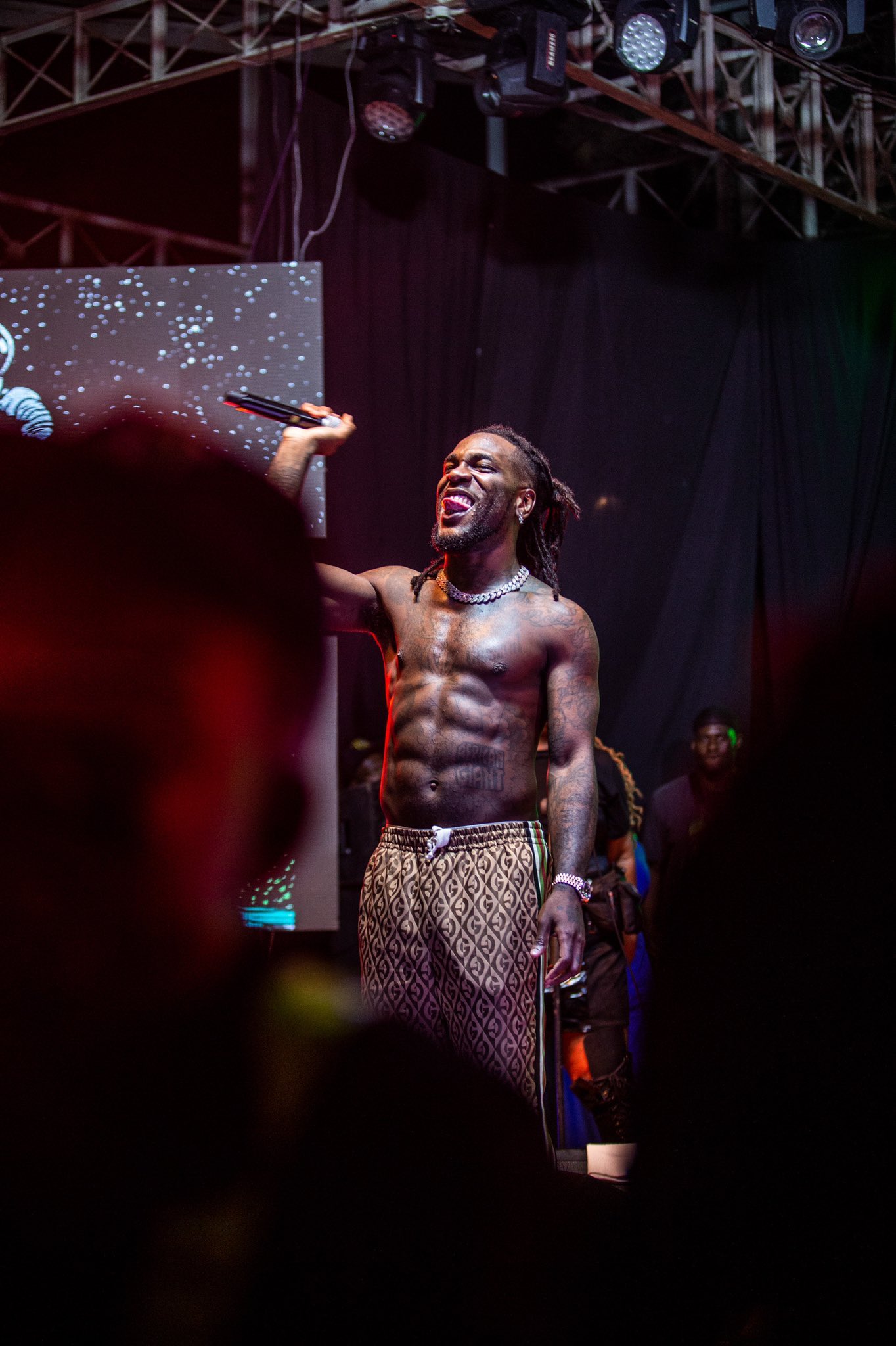
International acts such as Wizkid and Burna boy recently won the Grammy awards and with the aim of striving for more, Afrobeats have not just become an internationally recognized genre, it has started gaining adoption into foreign cultures and music charts.

Currently, Nigerians are not just dominating Music charts in Africa countries, the United States Billboard World Digital Sales charts indicate Nigerians dominating the Afrobeats entries on the chart with Wizkid leading the pack with 21 entries and David following closely behind with 19 entries. The list of entries also includes Burnaboy with 14 entries, Olamide with 7 entries and Tiwa Savage with 6 entries. These clearly shows the efforts put into these works and the impact it has internationally.

Afrobeats To The World: Removing Obstacles To It's Adoption
Photo Source: Wizkid @wizkidayo

The beauty of Afrobeats with the support of strategic exposure and collaboration has aided the growth of Nigerian music acts on the African and international scene. The massive scale and music distribution of Afrobeats have given birth to the rise and popularity of this genre of music.

So what charts is the Afrobeats going to top next and what are the obstacles standing in the way of Afrobeats gaining more reach and scale, identifying this and working towards a solution is what afrobeat musicians, their music Strategists, and managers would have to work on.

Afrobeats To The World: Removing Obstacles To It's Adoption
Photo Source: Burna Boy @@burnaboy

Welcome on board Afrobeats to the league of music that defies all odds and withstands all obstacles standing in the way of beautiful music being appreciated.

Reducing Schooling Expenses: The Scholarship Method

Nigeria is a very competitive place to work due to the increasing population but the rate of unemployment in Nigeria is alarming and scary.

This has lead young Nigerians to find greener pastures elsewhere. The number of young Nigerians attempting to leave the country keeps increasing daily and one of the ways by which they can easily leave is through Education.

Many leave to get a good job that pays them well while enjoying the benefits that the place of migration offers. Schooling is a means to get a good job that pays in choice destinations such as the United States of America and Europe and this has lead to lead to the increase in people seeking this route to travel.

Another reason is the fact that is that it is easier and cheaper to get student Visa approved. This has also lead to the increase in interest in travelling through this method.

Schooling in those countries is however expensive and even some of the cheapest school tuition fees run into millions of Naira. These as served as the obstacle in studying abroad but there are means to reduce the tuition fees or even get not to pay tuition fees and the most popular and easiest route to that is the scholarship.

Scholarship serves as a form of helping hand to those who want to study abroad and have good academic grades and most scholarships fall into these categories:

– Private Organisation funded scholarship
– Government-funded scholarship
– Course based scholarships
– Sports-based scholarships
– Research-based scholarships
– University-funded scholarships
– Charity and philanthropist- based scholarship.

Many schools have a list of Scholarship available ranging from internal to external scholarship on their websites and making research before applying is very important. You need to know what kind of scholarship and the requirements involved in getting that kind of scholarship.
Also, by research you get to see if you are eligible for that kind of scholarship and how to apply.

It is also worth knowing that most scholarships require you to gain applicaton to an approved school among the lists of schools that are beneficiaries to their scholarship Programme. An internal scholarship scheme by schools is divided into two: the automatic one where you are given school based on just the assessment of your grades and the other one is the task related scholarship where you are required to write an essay or statement of purpose and some require you have writing an exam, an example is IETS for English proficiency.

It is also worth noting that there are scholarships that covers all your expenses while studying and this type of scholarship might require you coming back to your country of birth while there is tuition based scholarship that are broken into two: the first is the full tuition scholarship being awarded while the other is the partial scholarship that reduces the amount to be paid as tuition fees.

Getting a scholarship might not be as easy as you think when the process starts but the benefits attached to it is what you should be focusing. Goodluck on your getaway to having the life you envision.