

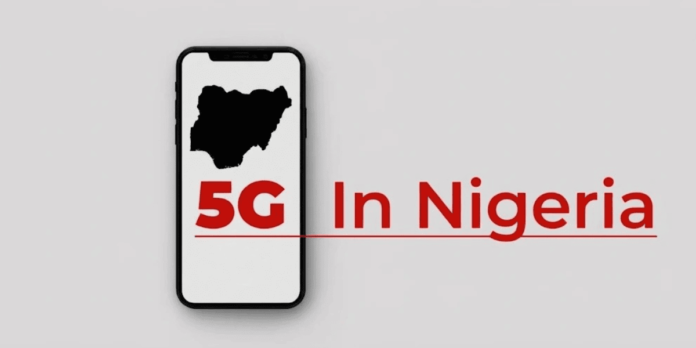
Nearly half of 5G-capable devices in Lagos and Abuja are now connecting to fifth-generation networks, but rising adoption has not translated into better customer experiences, according to a new analysis by Ookla and the
The report, which draws on crowdsourced Speedtest data analysed by Ookla Advanced Analytics Services, shows that the proportion of compatible devices actively using 5G increased from a combined 30 per cent to 48 per cent between February and August 2026. Abuja recorded the stronger adoption rate, with its figure climbing from 31.4 per cent to 52.3 per cent, while Lagos rose from 27.5 per cent to 43.6 per cent.
Brandspur Banking News Desk reports that the figures point to growing use of 5G-enabled smartphones in Nigeria’s two major urban centres, even as network quality and customer satisfaction remain concerns. The findings are contained in the Q3 Quality of Experience analysis, which examines network performance and user experience across mobile operators.
The increase comes as telecommunications companies continue to upgrade infrastructure and expand connectivity. It also reflects growing consumer demand for faster internet services, although the cost of devices and broader economic pressures remain part of the market environment.
Nigeria’s overall data consumption figures provide another indication of sustained demand for connectivity. Subscribers used 1.731 million terabytes of data in September 2026, compared with 1.756 million terabytes in August. Despite the month-on-month decline, September recorded the second-highest data consumption figure reported in the analysis.
MTN maintained its lead in 5G activity across both cities. It accounted for 52.2 per cent of the measured 5G device activity in Abuja and 51.3 per cent in Lagos. The operator also recorded the highest speeds in the analysis.
Airtel followed, accounting for 37.5 per cent of 5G device activity in Abuja and 37.7 per cent in Lagos. The report also highlighted its competitive performance in video streaming.
Airtel’s position comes amid increased investment in its network. Its Chief Executive Officer, Dinesh Balsingh, recently disclosed that the company had deployed more than 1,000 5G telecom towers in 2026 as part of efforts to improve network quality and support its sustainability investment drive.
T2mobile, formerly 9mobile, also featured in the operator assessment, although its results varied between Lagos and Abuja. The report cautioned that its measurements were based on a relatively small number of observations compared with its subscriber base of about three million. Its national roaming agreement with MTN is also part of its efforts to address network quality challenges and declining market share.
Read also: FBI Names North Korean Hackers Behind Record $6.3bn Binance Crypto Heist
Globacom recorded virtually no 5G activity in the city comparison, with a reported share of 0.1 per cent in both locations. The operator has yet to launch a 5G network in Nigeria, making it the only one of the four major mobile network operators without the service.
However, the growing number of devices using 5G has not prevented a deterioration in customer satisfaction. The report found that satisfaction declined across all operators, pointing to a disconnect between the adoption of newer devices and the actual quality of service subscribers experience.
For consumers, owning a 5G-compatible smartphone does not guarantee consistent access to the technology. Poor coverage, dropped calls and connections falling back to 4G can undermine the experience, particularly where network infrastructure has not expanded at the same pace as demand.
The wider market figures also show that 5G is still gaining ground gradually. Its share of Nigeria’s mobile network market increased from 3.77 per cent in December 2025 to 5.05 per cent in September 2026. The September figure was up from 4.92 per cent in August.
That represents an increase of 1.28 percentage points over nine months, suggesting that the transition to 5G remains gradual despite the stronger adoption recorded among compatible devices in Lagos and Abuja.
