



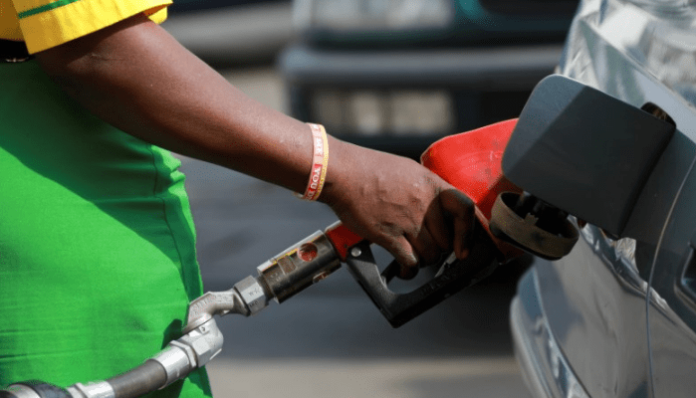
Nigeria’s pump price for petrol has climbed by more than 463 percent within three years, rising to a minimum of ₦1,340 per litre as of June 2, 2026, from about ₦238 per litre at the start of President Bola Tinubu’s administration. The sharp increase represents an absolute rise of over ₦1,100 per litre during the period under review, underscoring the scale of changes in the country’s downstream petroleum market.
The price surge followed the administration’s decision to end the fuel subsidy regime shortly after taking office in May 2023, alongside the liberalisation of the naira exchange rate. These twin policy moves fundamentally altered price controls in the energy sector, transferring fuel pricing fully to market dynamics while exposing consumers more directly to currency fluctuations.
Brandspur Politics reports that the combined effect of subsidy removal and exchange rate reforms has fed into broader inflationary pressures across the economy. By April 2026, headline inflation stood at about 15.7 percent, while food inflation climbed above 16 percent, intensifying the cost of living for households nationwide. Rising transportation costs, higher food prices, and increased housing expenses have become defining features of the current economic environment.
Economic analysts say the impact of these reforms is being felt unevenly across society. Okechukwu Unegbu, a former president of the Chartered Institute of Bankers of Nigeria, has argued that everyday economic conditions suggest many Nigerians are worse off than they were three years ago, despite official indicators pointing to moderate economic growth.
Nigeria’s Gross Domestic Product growth rate of about 3.9 percent has struggled to translate into visible improvements in household welfare, according to critics of the reform programme. While the government maintains that subsidy removal was necessary to stabilise public finances and attract investment, the steep rise in fuel prices remains one of the most tangible and controversial outcomes of the policy shift, shaping public debate as the administration enters its fourth year in office.
