




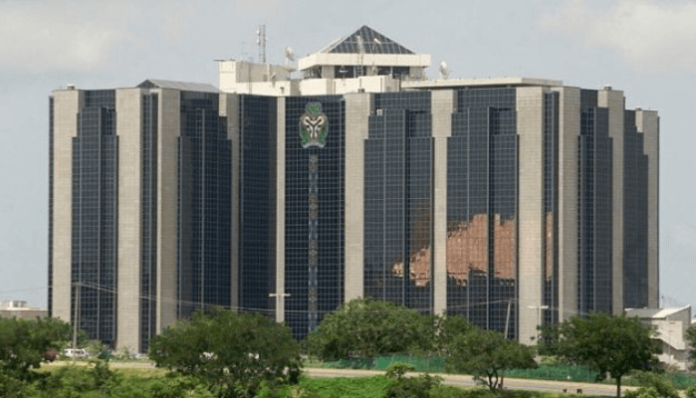
The Central Bank of Nigeria (CBN) has directed banks, payment service banks and other regulated financial institutions across the country to immediately freeze all accounts, assets and financial transactions connected to six individuals and four Bureau De Change (BDC) operators named in an updated terrorism financing sanctions framework.
The directive, issued through an official circular dated June 24, 2026, takes effect immediately and forms part of broader efforts to tighten anti-money laundering and counter-terrorism financing controls within Nigeria’s financial system.
Under the latest sanctions update, institutions supervised by the CBN have been instructed to identify and restrict access to financial assets belonging to affected persons and entities, including accounts held directly or indirectly through ownership structures and affiliated businesses. Brandspur Banking News Desk reports that the sanctions enforcement also extends to organisations determined to be substantially controlled by designated parties.
The action follows updates to the Nigeria Sanctions List and additional measures connected to international counter-terror financing frameworks coordinated with foreign regulatory authorities. Financial institutions have been instructed to act without prior notification to affected customers once qualifying accounts or economic resources are identified.
The individuals named in the sanctions update include Muktar Muhammad Adamu, Babangida Muhammed Adamu Hammajam, Abdullahi Umar Usman, Ibrahim Abubakar, Adamu Chiroma and Yakubu Ogirima Ibrahim.
Authorities also identified four Nigeria-based money service businesses and BDC operators as entities linked to the designated persons. They include Generation Currency Bureau De Change Limited, Manhattan Bureau De Change Limited, Nine to Nine Exchange Bureau De Change Limited and Abbal Bako & Sons Bureau De Change Limited.
Banks and financial institutions have been directed to immediately review existing customer records, beneficial ownership data and transaction activity against updated sanctions databases and known aliases to detect possible matches.
Where a match is confirmed, institutions must freeze affected assets and prevent any form of financial access, transfer of value or provision of economic resources to the sanctioned parties.
Regulated institutions are additionally required to file Suspicious Transaction Reports with the Nigerian Financial Intelligence Unit (NFIU) once suspicious links are established and submit compliance updates to the CBN within 48 hours, including details of frozen balances and remedial actions taken.
Financial institutions that do not identify affected accounts are still expected to submit nil returns to demonstrate compliance with the directive.
The regulator also instructed banks to conduct retrospective transaction reviews to determine whether any previous financial activity involved the sanctioned individuals or associated entities.
The latest enforcement move comes shortly after United States authorities imposed sanctions on one of the listed BDC operators and associated businesses over allegations of facilitating financial transfers connected to Islamic State West Africa Province (ISWAP).
Nigeria’s financial regulators have increasingly intensified oversight of foreign exchange intermediaries and money service operators in recent years as part of wider efforts to strengthen transparency, reduce illicit financial flows and improve compliance standards across the banking ecosystem.
Industry observers say the development reinforces the CBN’s long-standing preference for stronger institutional monitoring and stricter controls around non-bank financial channels while maintaining pressure on compliance obligations throughout the financial sector.
The apex bank warned that institutions providing inaccurate information or failing to comply with sanctions directives may face regulatory consequences under existing banking and financial laws.
